AI tax preparation that shows its work
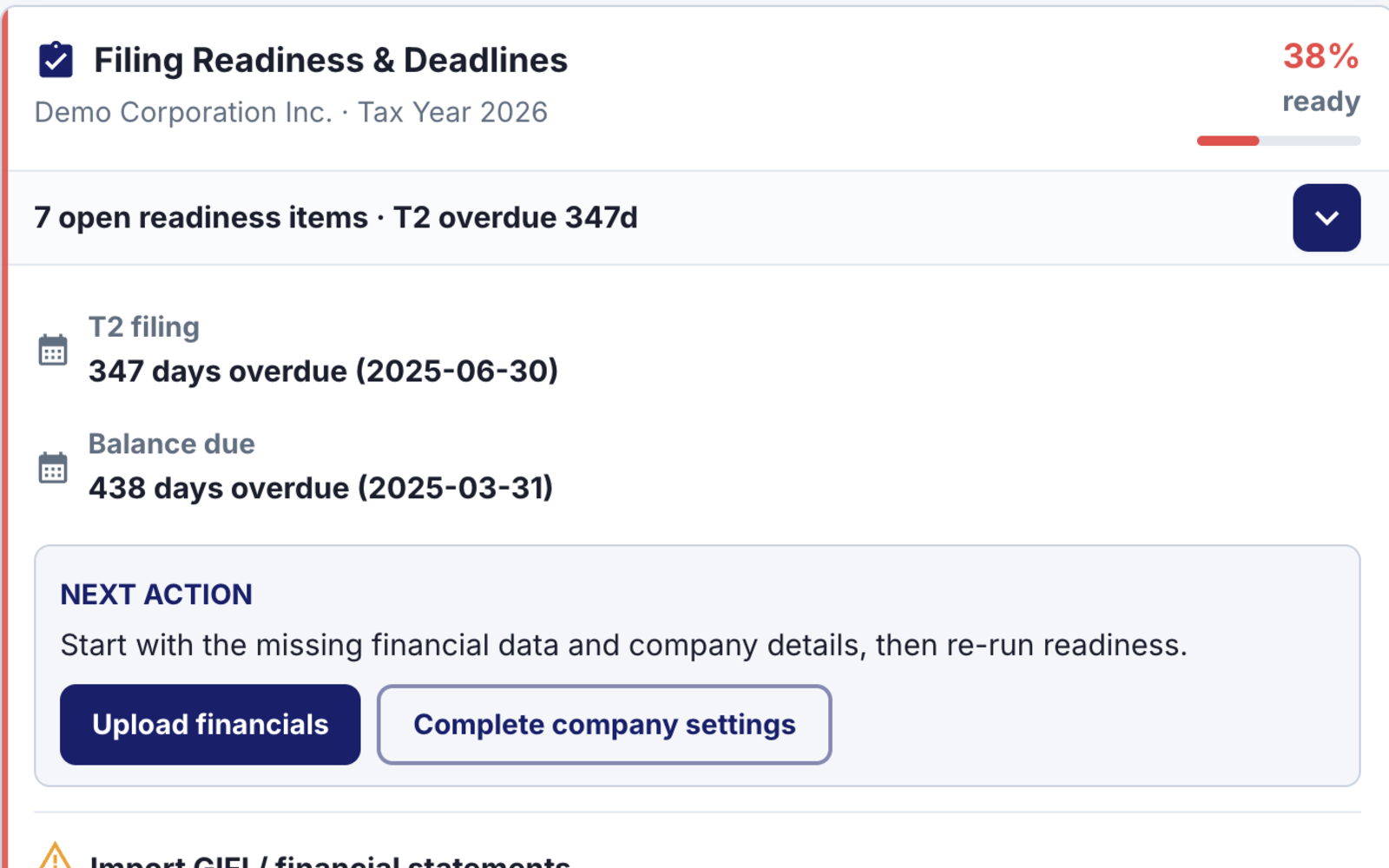
AI is useful in tax preparation only when the work can be reviewed.
For a small Canadian corporation, the risky part is not just filling a form. It is knowing which records support the numbers, which questions are still open, and which outputs need owner or CPA review before anything is submitted through CRA channels.
That is the standard OPTAX is built around.
The wrong AI story
"Automatic tax filing" sounds convenient, but it hides too much. A black-box answer is not enough when the owner still needs to understand the package, keep support records, and decide when professional review is needed.
OPTAX does not present AI as a tax authority or a replacement for a CPA. It uses AI-assisted preparation to organize work that remains visible.
The OPTAX model
The product language is simple:
- Records: bank activity, receipts, contracts, statements, and owner uploads.
- Evidence: source labels, extracted facts, and links back to the supporting record.
- Questions: missing inputs, uncertain classifications, and review blockers.
- Review: owner readback and CPA handoff notes for complex situations.
- Package: T2 preparation materials, GIFI mapping, review notes, and supporting records.
The output should always make the next review step clearer.
What AI can help with
AI-assisted preparation is strongest when it helps with structured review work:
- grouping uploaded records into filing context;
- suggesting classifications for owner review;
- surfacing missing inputs before package generation;
- drafting review questions when a transaction needs confirmation;
- keeping source context near the output.
That does not remove responsibility from the owner. It makes the review work easier to inspect.
What still needs judgment
Some items should not be treated as simple automation:
- complex shareholder loans;
- unusual related-party transactions;
- reorganizations or legal restructuring;
- aggressive deduction positions;
- questions that require legal or professional tax advice.
Those are places where OPTAX should make the issue visible, not pretend it can resolve everything.
How this helps the owner
Most owners do not want to become tax workflow experts. They want to know:
- what records are missing;
- what the system used as evidence;
- what needs their answer;
- what the package contains;
- whether they should involve a CPA.
That is the useful version of AI in corporate tax preparation: not magic, not a fake professional opinion, but a reviewable workspace from records to package.
Boundary
OPTAX prepares and organizes T2 materials for review. The owner or authorized representative reviews the output before using an enabled CRA filing channel for that return. Complex matters should be reviewed by a qualified professional.